Lean Branding – Book Review
By: Laura Busche
The Essence of a Brand
David Ogilvy’s assertion that creating a brand requires genius, faith, and perseverance is challenged by Laura Busche in “Lean Branding.” Busche argues that in today’s world, a more scientific and methodical approach, inspired by The Lean Startup methodology, is needed to build a brand that adapts to the dynamic needs of consumers.
Defining a Brand
Busche defines a brand as the unique story that consumers recall when thinking about a business. Unlike traditional views emphasizing consistency, Lean brands are seen as dynamic and adaptable, changing to align with customers’ evolving needs and desires. The shift from “Dinosaur brands” to agile, chameleon-like branding is emphasized.
The Lean Methodology Origins
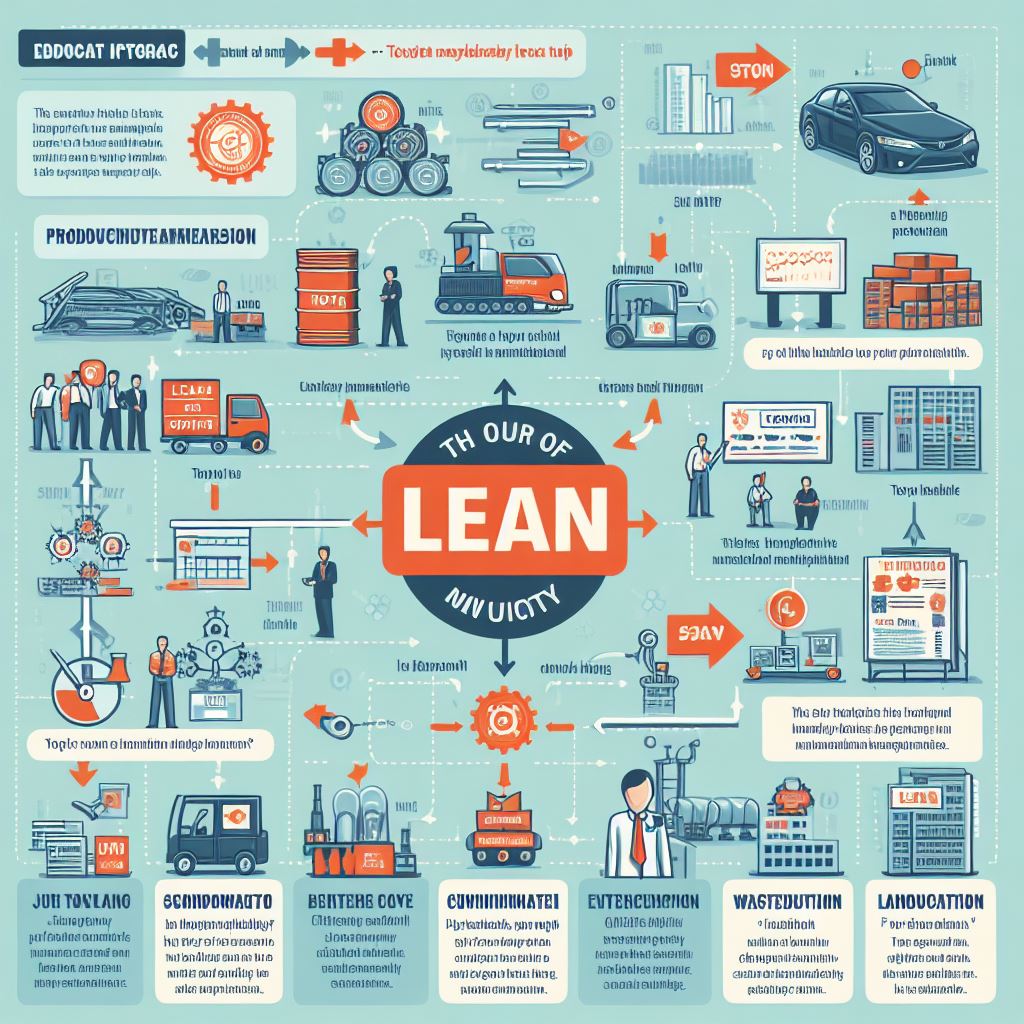
The Lean Startup movement, rooted in Lean Thinking inspired by Toyota’s production process, focuses on minimizing waste and maximizing quality. In the context of startups, it shifts the emphasis from improving processes to avoiding wasting time and resources on building a business that may not succeed due to extreme uncertainty.
Scientific Approach to Startups
Lean Thinking introduced a scientific approach to startups, treating them as unique entities rather than smaller versions of large companies. The methodology encourages entrepreneurs to conduct experiments, testing assumptions about customer needs and solutions with minimal resources. The goal is to avoid wasting resources on building a business that might not work.
Applying Lean Principles to Branding
The application of Lean principles to branding involves A/B testing various brand elements, including name, positioning statement, brand promise, personas, and more. A critical aspect is recognizing that the primary purpose of a brand is to command a price premium, and this can be tested and validated through A/B testing.
A/B Testing Your Brand
A/B testing, a common tool in digital marketing, becomes a powerful method for testing various brand elements. The author suggests running experiments with hypotheses, measurable indicators (e.g., conversion rates), expected results, actual results, and a comparison of expected vs. actual results. This data-driven approach applies scientific principles to branding decisions.
Real-World Impact of Testing on Brands
The effectiveness of A/B testing on brands is illustrated through a real-world example involving Tim Ferris, author of “The 4 Hour Workweek.” Ferris used Google Adwords to test multiple book titles, ultimately choosing the one with the highest click-through rate. This lean approach helped him create an international brand and launch successful follow-up books.
Conclusion: Embrace Lean Branding
In conclusion, “Lean Branding” encourages marketers and entrepreneurs to adopt a more scientific and data-driven approach to building and evolving brands. By applying Lean principles and conducting A/B tests, businesses can make informed decisions, validate assumptions, and create brands that resonate with consumers, ultimately leading to greater success in the dynamic marketplace.