The Ultimate Sales Letter – Book Review
By: Dan S. Kennedy
Introduction:
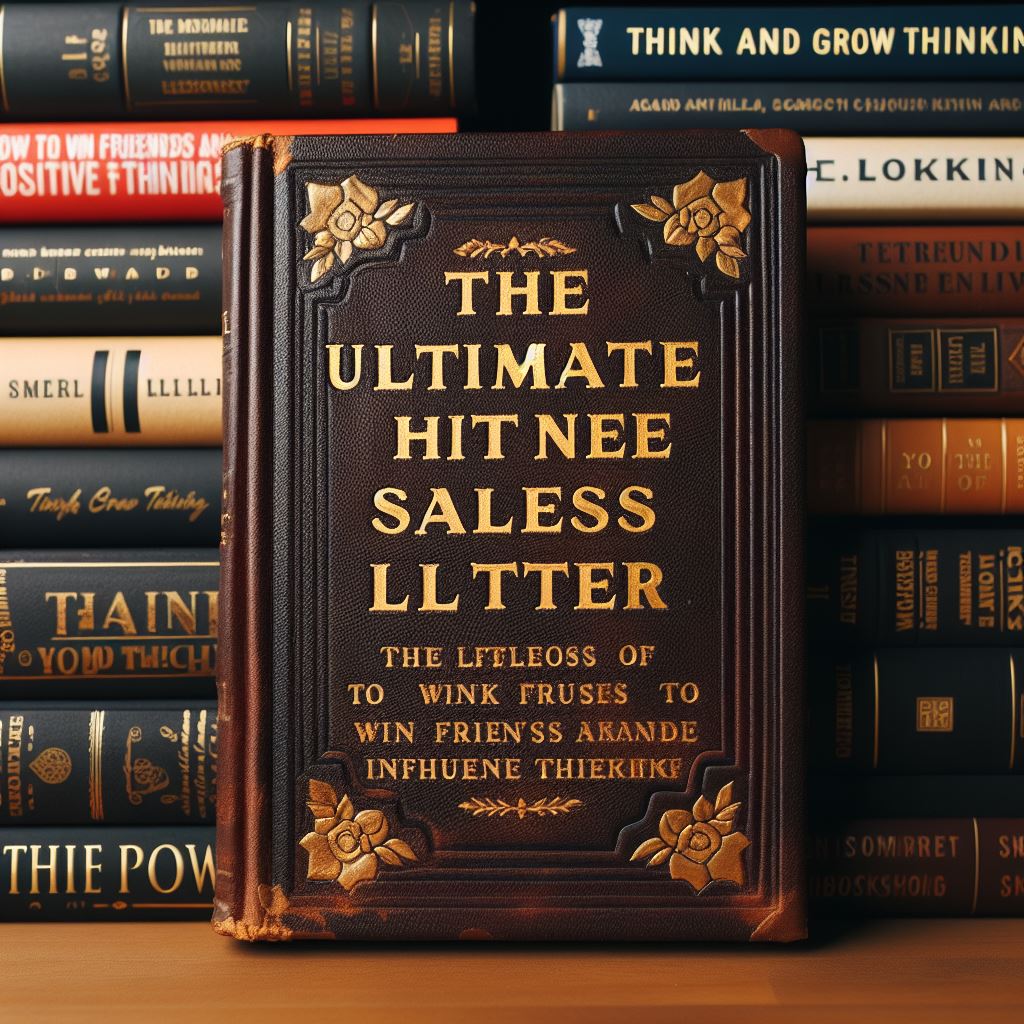
Writing a sales letter involves more than creating words on a blank sheet; it’s a meticulous process outlined by Dan S Kennedy in “The Ultimate Sales Letter.” Distilling the 29 steps into six phases, the article introduces a shorthand system, the Readitfor.me IdeaCode (KERCET), to help create effective sales letters and attract new customers.
Phase 1: Get the Knowledge:
To create an effective sales letter, understanding the customer and the offer is crucial. Similar to London taxi drivers gaining “the knowledge,” comprehending customers’ fears, frustrations, desires, and market trends is essential. Additionally, understanding the product or service, acknowledging and addressing flaws, and organizing features and benefits are key steps.
Phase 2: Envisage the Moment:
Visualizing the delivery, appearance, and reception of the sales letter is crucial. Considering how the letter will be perceived by gatekeepers and recipients is essential. Strategies for getting the letter opened, read, and motivating action are discussed, emphasizing the importance of creating curiosity, excitement, and a sense of urgency.
Phase 3: Black Pen, Red Pen:
This phase focuses on the writing process, starting with the first draft. Emphasizing the importance of letting creativity flow without hesitation, the article suggests rewriting for strategy and style. Answering potential questions and objections is crucial, ensuring the sales letter addresses every aspect necessary for a persuasive message.
Phase 4: Check the Checklists:
This phase involves revisiting the process to ensure all bases are covered. Key considerations include writing about what’s essential to the reader, listing product features, identifying flaws, addressing reasons not to respond, and carefully planning letter delivery. The importance of an interesting story, readability, and entertainment value is also stressed.
Phase 5: Rewrite for Passion! Edit for Clarity!:
Recognizing the emotional aspect of buying, this phase emphasizes infusing enthusiasm and passion into the sales letter. The article advises cutting unnecessary elements to enhance clarity, not just to shorten the letter. Reading the letter aloud and having a young child read it aloud helps ensure smoothness and easy readability.
Phase 6: Test before Transmit:
The final phase involves testing the complete mailing to evaluate its effectiveness. This includes sending a mockup to oneself to assess its presentation in the context of daily mail. Further testing with a sample of “friendly” customers helps gauge the letter’s appeal, the enticement of the offer, and its overall impact.
Conclusion:
While the process may seem extensive, the article asserts that the end justifies the means. By following these six phases, individuals can craft sales letters that are not only effective but also have a significant impact on the target audience, ultimately leading to successful outcomes.