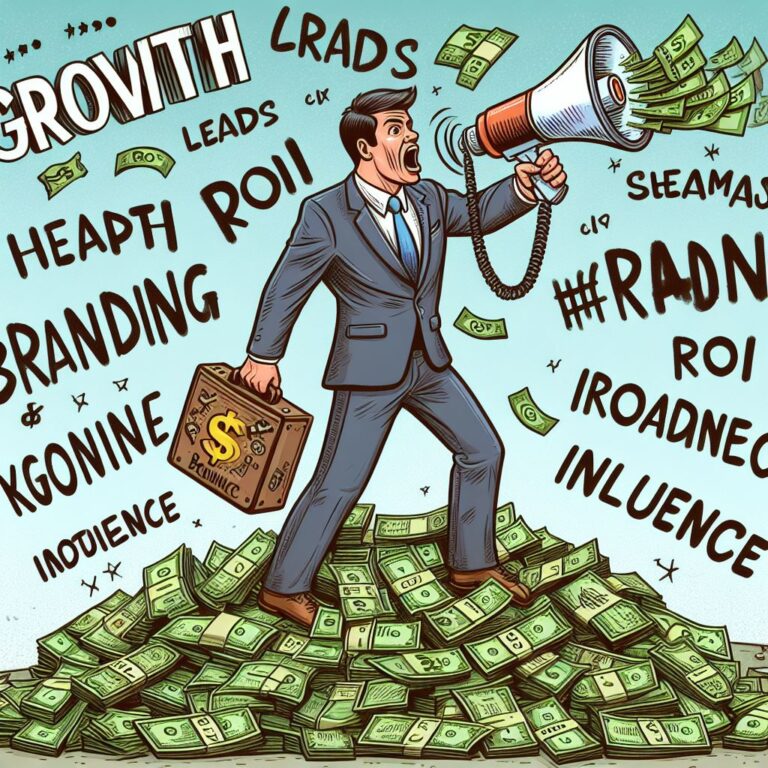
Growth Hacker Marketing – Book Review
By: Ryan Holiday
Introduction to Growth Hacking in 1996
In 1996, Silicon Valley investor Tim Draper inadvertently sparked the concept of growth-hacker marketing during a meeting with Sabeer Bhatia and Jack Smith, the creators of Hotmail. Draper’s suggestion to include a promotional message at the bottom of every email generated 8.5 million subscribers within a year, showcasing the potential of growth hacking.
Defining Growth Hacking and Hotmail’s Success
Growth hacking is a strategy integral to the product, aiming to build a self-perpetuating marketing machine. Hotmail’s signature in every email exemplifies the first growth hack, bringing immense success with 8.5 million subscribers by 1997. The focus shifts from traditional marketing approaches to embedding marketing into the product itself.
Dropbox’s Growth Hack: Referral Program
Dropbox, from a simple idea to a $10 billion valuation in seven years, faced challenges with traditional marketing methods. The breakthrough came with a referral program: users gained 500 MB of free space for every friend they invited. This strategy increased signups by 60%, generating 2.8 million direct invites per month and establishing Dropbox as a major player.
Spotify’s Integration with Facebook
Spotify, valued at $5.7 billion with 60 million users, leveraged growth hacking by integrating tightly with Facebook. Users’ music choices shared on Facebook’s news feed created a viral loop, attracting more users. The success of this strategy underlines the importance of unique product features and finding advantages specific to each business.
Implementing Growth Hacking for Your Business
Successful growth hacking requires a great product and a unique advantage tailored to the business. Examples include Mailbox’s exclusivity approach, Reddit’s strategic seeding, PayPal’s integration with eBay, and events hosted by Yelp and Udemy for initial user acquisition. The growth hacker mindset involves experimenting with ideas, optimizing successes, and swiftly discarding dead ends, leading to exponential growth.
Conclusion: Embracing Growth Hacking
In a rapidly evolving marketing landscape, growth hacking offers a dynamic approach to achieving unprecedented growth. Unlike traditional marketing, growth hacking involves constant experimentation until finding strategies that propel the business into a rapid growth trajectory. The mindset and strategies of growth hacking present an exciting and worthwhile endeavor for businesses seeking extraordinary success.
*Onwards and upwards! 🚀*